
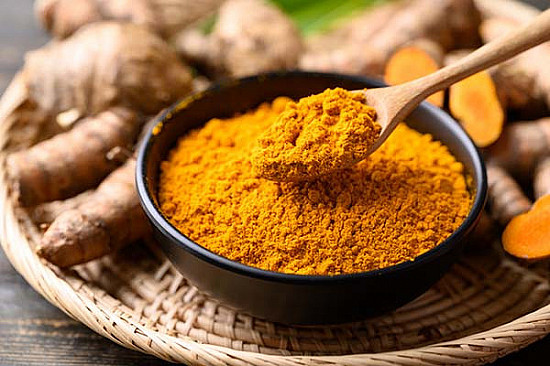
Joint pain and stiffness affect millions worldwide, often caused by ageing, injury, or chronic conditions like arthritis. While many turn to painkillers or prescription drugs, there is growing interest in natural alternatives. One of the most researched herbs in this area is turmeric. But how effective is turmeric for joint pain, and can it truly reduce stiffness and inflammation?
Why Turmeric Is Linked to Joint Health
Turmeric, known as the “Golden Spice,” has been used in Ayurvedic and traditional medicine for centuries. Its active compound, curcumin, is well-known for its powerful anti-inflammatory and antioxidant effects.
-
Reduces inflammation: Curcumin targets inflammatory pathways that contribute to arthritis pain and stiffness.
-
Protects joints: Its antioxidant properties may help reduce oxidative stress, which damages cartilage over time.
-
Supports mobility: By addressing both pain and swelling, turmeric may improve flexibility and movement.
This explains why research often highlights turmeric for joint pain as a promising natural alternative.
Turmeric and Arthritis: What Studies Show
When it comes to turmeric arthritis support, multiple studies suggest it can reduce symptoms of both osteoarthritis and rheumatoid arthritis.
-
A study published in Phytotherapy Research found that patients taking curcumin supplements reported a significant decrease in pain compared to those on standard medication.
-
Other clinical trials show turmeric may work as effectively as some over-the-counter pain relievers, without the same risk of side effects.
In short: using turmeric for arthritis may help reduce swelling, tenderness, and discomfort in the joints, making daily activities easier.
Turmeric for Inflammation: How It Works
One of turmeric’s most powerful roles is as an anti-inflammatory herb. Chronic inflammation is a key driver behind many joint issues, including arthritis. Curcumin works by blocking specific enzymes and proteins that trigger inflammatory responses in the body.
This makes turmeric inflammation support an appealing option for those who want long-term relief without relying solely on pharmaceuticals.
Best Ways to Take Turmeric for Joint Support
If you’re curious about adding turmeric to your daily routine, here are the most common methods:
-
Turmeric capsules or tablets: Provide a concentrated dose of curcumin.
-
Turmeric teas: A soothing option that also supports digestion.
-
Turmeric herbal blends: Often combined with other anti-inflammatory herbs for enhanced results.
💡 Tip: Curcumin is best absorbed when taken with black pepper (piperine), which can increase absorption by up to 2000%.
Is Turmeric Enough on Its Own?
While turmeric shows impressive potential, it often works best when used alongside other supportive herbs and a healthy lifestyle. Regular exercise, a balanced diet, and proper hydration all contribute to long-term joint mobility.
Those struggling with chronic arthritis may benefit from combining turmeric for joint pain with other natural strategies tailored to inflammation and mobility.
So, can turmeric really ease joint stiffness and discomfort? Research suggests the answer is yes. Its ability to fight inflammation, reduce arthritis symptoms, and support mobility makes it one of the most effective natural herbs for joint health.
If you’re exploring options for joint relief, trying turmeric for arthritis and inflammation may be a safe, natural step worth considering.
Looking to experience the benefits of turmeric for joint pain, arthritis, and inflammation in a simple daily blend?
We’ve made it easy by including turmeric in our carefully crafted Joint & Mobility Herbs. Support your joints naturally and take the next step toward lasting comfort and mobility today.