
My friend laughed when I told her I was drinking “detox tea.”
“Oh great. Another trendy wellness thing that’ll be gone in six months.”
Then I showed her the ingredient list.
Cardamom. Ginger. Dandelion. Fennel.
She stopped laughing when I told her how long these traditional detox herbs have been around.
Spoiler: longer than your great-great-great-grandmother.
The Ancient Cleansing Secret That Never Went Away
Here’s what the wellness industry doesn’t want you to know:
Ancient cleansing methods weren’t invented by Instagram influencers.
They were perfected thousands of years ago by cultures who actually understood how the body eliminates toxins.
Take cardamom, for example.
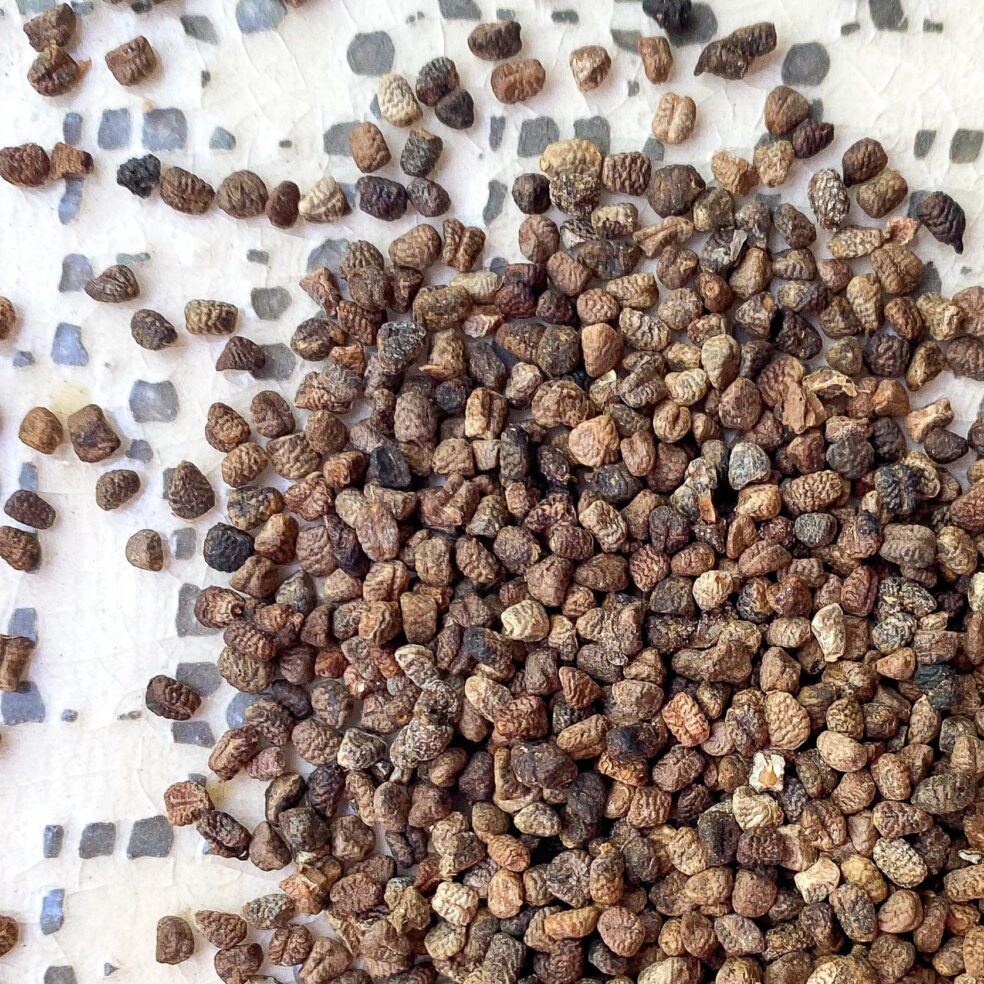
This smoky, camphor-scented seed has been used in Ayurvedic detox herbs formulas for over 3,000 years.
Not because it was “trendy.”
Because it worked.
What Makes Cardamom Different From Modern Detox Fads
Modern detox products focus on one thing: stripping everything out of your body as fast as possible.
Ancient practitioners? They understood something deeper.
Time-tested natural remedies like cardamom don’t just cleanse. They support your body’s natural elimination systems while keeping you comfortable.
Here’s what cardamom history teaches us about real detoxification:
In Traditional Chinese Medicine: Used to treat malaria and stomach disorders without harsh side effects
In Ayurvedic Practice: Combined with other herbs to gently stimulate digestion and eliminate toxins
In Ancient Rome: Ground into perfumes and remedies for respiratory and digestive ailments
In Indian Medicine: Essential for treating everything from bronchitis to dental infections
The pattern? Every culture that discovered cardamom kept using it. Because unlike trendy “cleanses” that wreck your system, cardamom actually helps.
Why Ancient Detox Methods Beat Modern Quick Fixes
Modern detox teas often leave you cramping, running to the bathroom, and swearing you’ll never do that again.
Ancient cleansing methods using cardamom take a completely different approach.
Instead of forcing toxins out violently, cardamom:
- Stimulates natural digestive function (so your body does the work properly)
- Reduces bloating and gas (without harsh laxatives)
- Supports respiratory health (clearing congestion from multiple systems)
- Soothes muscle spasms (making detox comfortable instead of painful)
This is why Ayurvedic detox herbs have stood the test of time while modern “miracle cleanses” come and go every season.
The Real Reason Traditional Herbs Still Matter
Your body hasn’t changed much in 3,000 years.
Your liver still processes toxins the same way.
Your digestive system still needs support during cleansing.
Which is why traditional detox herbs like cardamom still work exactly as they did when ancient healers first discovered them.
No tricks. No gimmicks. Just plants that understand your body better than any lab-created formula ever could.
The next time someone tries to sell you the “latest breakthrough” in detox…
Ask yourself: has this been working for thousands of years? Or just since last Tuesday?
Because time-tested natural remedies earned their reputation by actually delivering results.
Generation after generation.
Continent after continent.
Ready to Detox Like Ancient Healers Intended?
Look, modern “detox” products make big promises.
Then leave you cramping, running to the bathroom, and swearing you’ll never do that again.
Ancient healers knew better.
They understood that real detoxification should support your body… not punish it.
That’s why we’ve combined cardamom seed with 14 other time-tested herbs — including dandelion, burdock, ginger, and licorice — in a formula that actually tastes good while it works.
No harsh laxatives that wreck your system.
No terrible flavors you have to choke down.
Just powerful herbs that have been cleansing livers, kidneys, and blood for thousands of years.
Perfect for daily use or as part of a complete liver detox program.
=> Discover the detox tea ancient cultures would recognize
Because your body deserves better than trendy “cleanses” that disappear next season.